Kikola Nafi: A Versatile Script Handwritten Font for Branding Projects
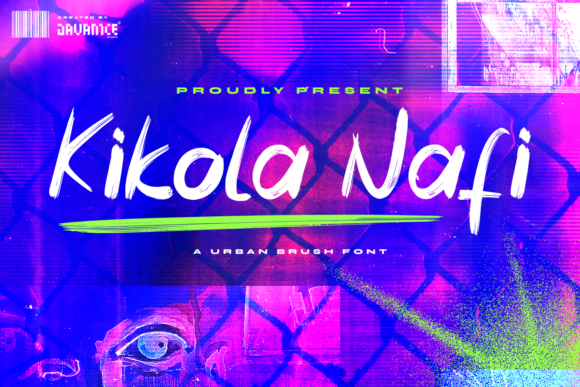
There’s something about a blank brand board that feels like the start of a creative journey. I recently found myself staring at a fresh canvas, tasked with designing a new boutique identity. As I began sketching out logo concepts, I reached for Kikola Nafi—a cool, brushed and adaptable handwritten font that has quickly become a staple in my design toolkit. Its personality is immediate, its adaptability impressive, and its versatility truly sets it apart in the world of Script Handwritten Fonts.
Kikola Nafi for Logo Design and Brand Identity
When testing Kikola Nafi on a logo draft for a boutique, I was immediately struck by its warmth and character. It’s not just any Script Handwritten Font—it carries a sense of individuality that feels both modern and nostalgic. The brushed strokes add a tactile quality, making it feel like it could be hand-drawn by a real person. This makes it ideal for brand identities that aim to convey authenticity and creativity.
I paired Kikola Nafi with a sans serif font for contrast, creating a dynamic balance between elegance and approachability. It works especially well as a headline or display font, drawing the eye without overwhelming the viewer. Whether used as a logo font or an accent typeface, Kikola Nafi brings a unique visual flair that can elevate even the simplest branding project.
Kikola Nafi for Packaging and Product Labels
When designing packaging mockups for a skincare product line, I needed a font that would stand out while maintaining readability. Kikola Nafi delivered. Its brushwork adds a touch of sophistication, making it perfect for product labels that need to be both stylish and legible. I tested it on different sizes and backgrounds, and it held up remarkably well—especially when placed against a clean white label.
What I love most about Kikola Nafi is how it adapts to different contexts. On a product box, it feels refined; on a t-shirt print, it becomes more casual and playful. It’s this adaptability that makes it such a valuable Script Handwritten Font for designers working across multiple platforms and mediums.
Kikola Nafi for Social Media and Web Design
In today’s digital landscape, a font needs to work just as well online as it does in print. I used Kikola Nafi for a social media layout for a handmade shop, and it performed exceptionally well. The font looks great in headlines, call-to-action buttons, and even in short captions. Its brushwork adds a human touch that resonates with audiences, especially on platforms like Instagram and Pinterest where visual storytelling is key.
One thing to note is that Kikola Nafi is best suited for short phrases and headings rather than long body text. When used in web design, it should be paired with a clean, readable body font to maintain clarity. However, for headers, banners, and promotional content, it shines brightly as a creative font that enhances user engagement.
Kikola Nafi for Business Cards and Print Materials
Testing Kikola Nafi on a business card design for a creative studio was a revelation. The font’s soft curves and brushed texture gave the card a personal, artisanal feel that aligned perfectly with the studio’s brand values. It looked equally at home on printed materials like flyers, posters, and brochures, adding a layer of personality that felt authentic and inviting.
While Kikola Nafi is a Script Handwritten Font, it doesn’t compromise on readability. Even in small sizes, it remains clear and legible, which is crucial for print-on-demand products and merchandise. That said, it’s not the best choice for formal corporate branding or long-form content, where a more structured font might be preferable.
Kikola Nafi for Font Pairing and Design Flexibility
One of the strengths of Kikola Nafi is its ability to pair well with other fonts. I’ve used it alongside a sleek sans serif font for a minimalist brand identity, and it created a beautiful contrast. For more playful designs, pairing it with another Script Handwritten Font can enhance the overall aesthetic. It’s also worth exploring its alternates and ligatures, which offer additional customization options for creative projects.
Before using Kikola Nafi in client work, I always recommend testing it in different formats and contexts. Checking its performance in both digital and print environments ensures that it meets the specific needs of each project. Additionally, verifying the commercial font licensing is essential, especially when working on brand identity, packaging, or digital products.
Kikola Nafi is more than just a Script Handwritten Font—it’s a versatile tool that can bring life to a wide range of design projects. Whether you’re working on logos, packaging, social media graphics, or editorial design, this font has the potential to make your work stand out. With its cool, brushed style and adaptable nature, it’s a must-have addition to any designer’s font collection.